News & Events
CONTENTS
Lac Hong University Students Explore the Short Drama Trend with Sony
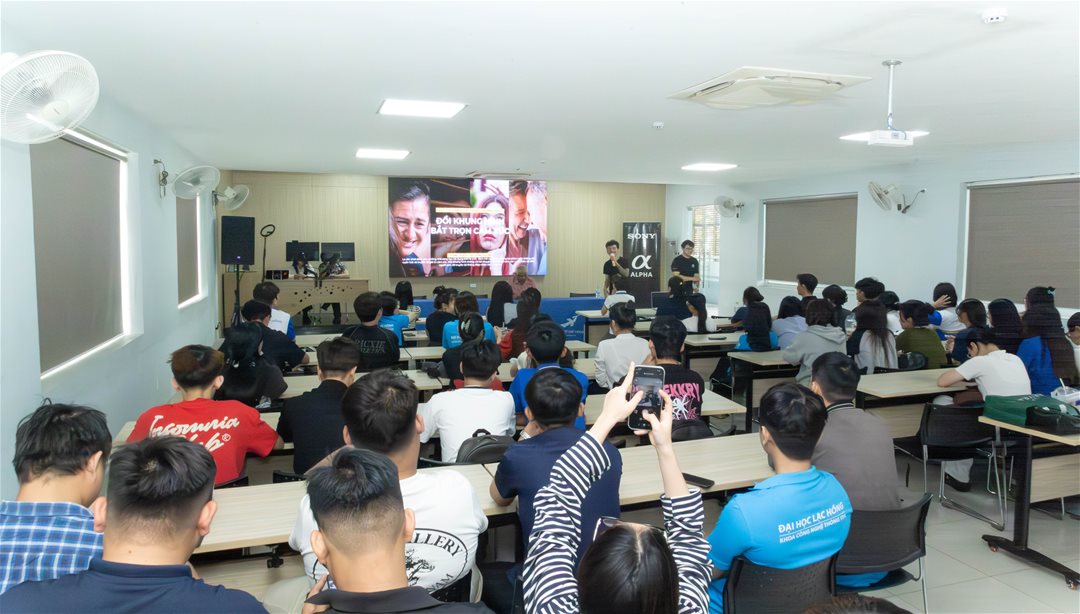
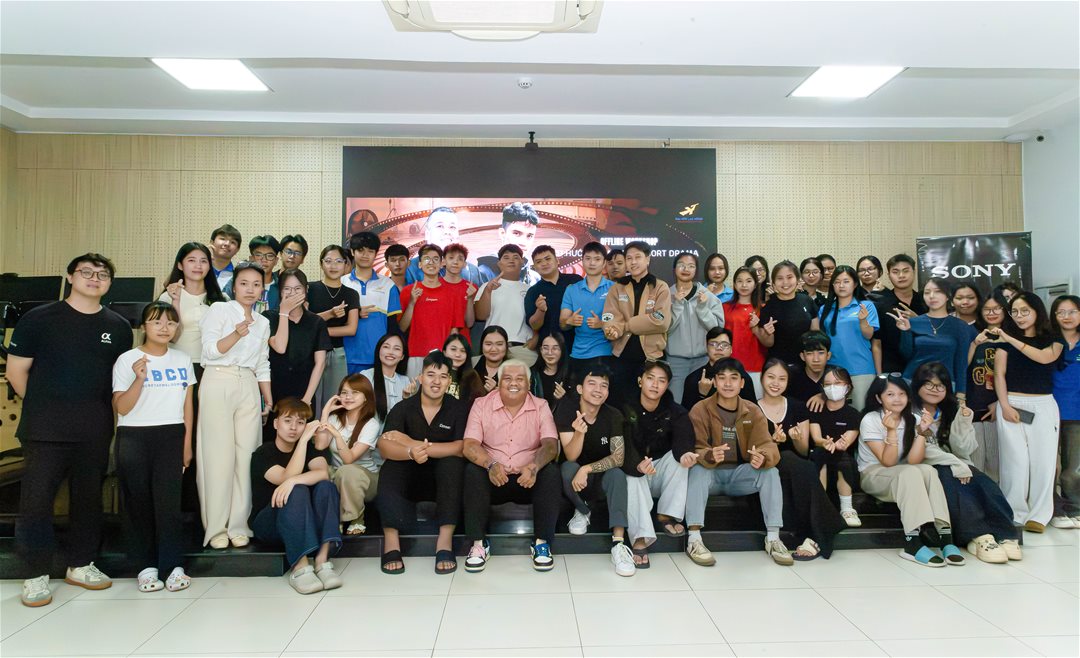
The workshop "Short Drama Filmmaking Trends", organized by Sony at Lac Hong University on August 17, 2026, drew strong interest from students across various majors, particularly Multimedia Communications, E-commerce, Public Relations, and Marketing. Featuring guest speakers Producer Tran Long (Long Be) and Director Tran Duc Vien—two seasoned professionals in digital content and youth-oriented media production—the event provided students with practical industry insights and a firsthand look at the rapid growth of short-form video production across digital platforms.

Short Drama: Storytelling in Vertical Frames
Short-form video has become a staple of digital media consumption. Today's viewers seek not only quick, easily accessible content but also compelling stories with well-developed characters, emotional depth, and clear narratives.
Consequently, Short Drama has emerged as an engaging hybrid format that blends the narrative appeal of traditional television series with the immediacy and reach of digital platforms. Characterized by concise episodes, fast-paced storytelling, vertical framing (9:16), and strong emotional hooks, the format resonates deeply with mobile-first audiences.
This dynamic explains why the workshop attracted wide student engagement. For Multimedia Communications majors, Short Drama represents an emerging career pathway in digital video production. For students in Marketing, Public Relations, and E-commerce, it offers a fresh approach to brand storytelling, product communication, and digital audience engagement.
From Concept to Final Cut: The Minds Behind the Content
A major highlight of the workshop was the practical insights shared by Producer Tran Long (Long Be) and Director Tran Duc Vien.
From a production standpoint, Producer Tran Long detailed how an initial concept evolves into a finished product, covering project planning, production management, and cross-team coordination. His real-world experience provided students with a clear understanding of behind-the-scenes operations and the professional standards required on set.

Meanwhile, Director Tran Duc Vien shared insights into narrative structuring and visual storytelling. Drawing from his extensive experience in digital entertainment, he guided students through character development, narrative pacing, visual language, and techniques for evoking emotional resonance within tight runtimes.
Together, their combined perspectives offered students a comprehensive view of the Short Drama pipeline—from early conceptualization to final audience delivery.

Read more: From a 9X Rapper to Director of a Million-View Comedy Group
How Short Drama Is Reshaping Content Creation
While previous generations grew up with sitcoms, web dramas, and long-form comedy sketches on YouTube, today's audiences spend increasing amounts of time engaging with short-form content designed specifically for mobile devices.
This shift in audience behavior is transforming industry workflows. Creators must do more than simply tell a story; they need to understand platform mechanics, user behaviors, editing rhythms, visual-audio design, and how to deliver an impactful "hook" within the opening seconds. This environment aligns closely with the multidisciplinary training of Multimedia Communications students, who develop skills across copywriting, photography, filming, editing, design, and video production.
However, content production is only part of the equation. For a Short Drama to succeed, it requires strategic communication, community engagement, brand marketing, and multi-channel distribution. As a result, students majoring in Marketing, Public Relations, and E-commerce play equally vital roles in every production team.
Sony Short Drama Contest 2026: A Launchpad to Turn Ideas into Films
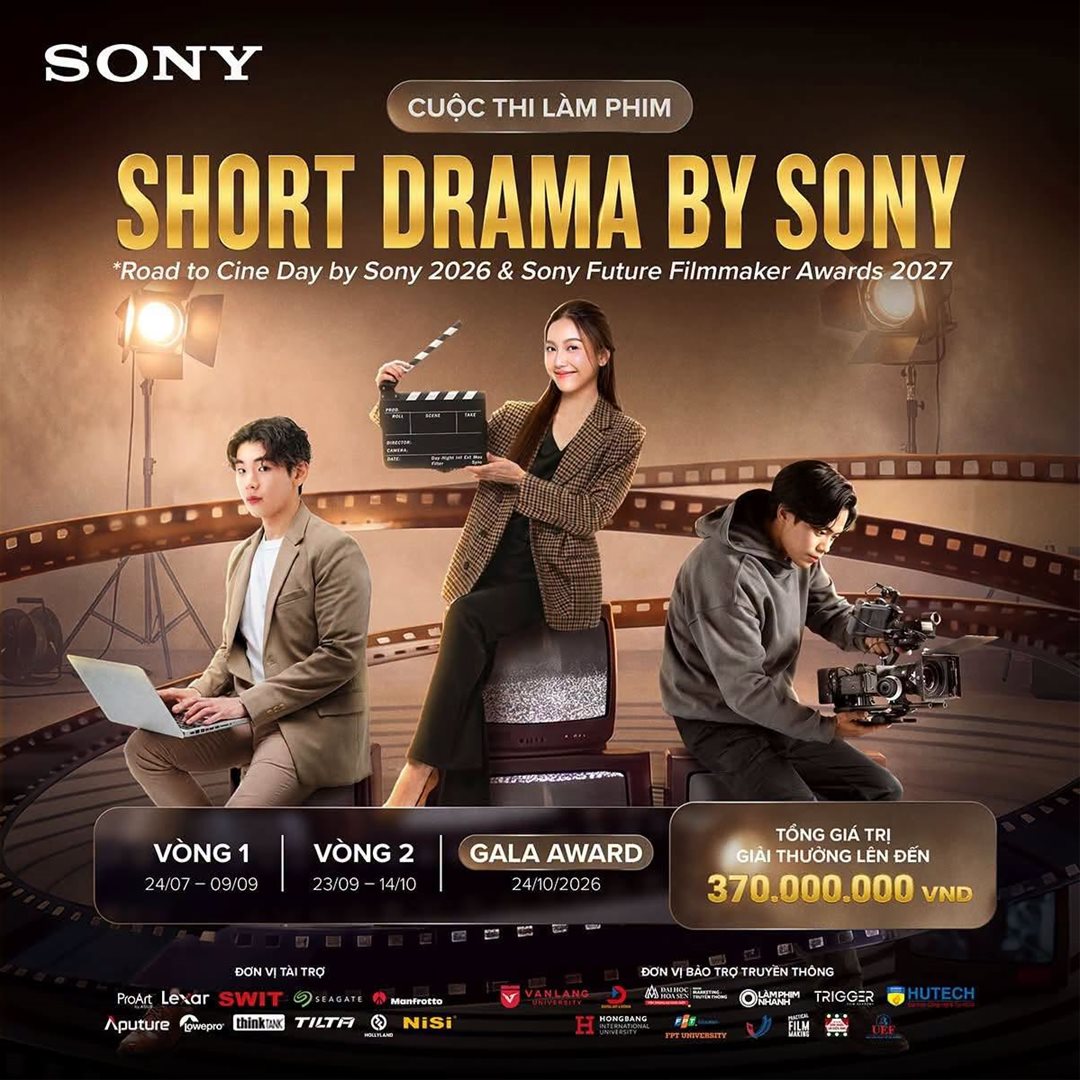
The workshop also introduced an exciting practical opportunity for young creators: the Sony Short Drama Contest 2026, themed "Change the Frame, Capture Every Emotion." Open to Vietnamese content creators and filmmakers aged 16 and older, the competition challenges participants to explore core human emotions (Joy, Anger, Love, Sorrow) through vertical-format (9:16) short drama series.
A distinctive feature of the competition is that participants do not need to submit a completed film immediately. The process begins with concept and script submissions, after which selected projects receive support to move into production.
Key competition details include:
-
Top 20 Teams: Selected finalists will enter the production phase to create a series consisting of 3 to 5 episodes, with each episode lasting between 1 to 3 minutes.
-
Production Grants: Top 20 teams are eligible for up to 10,000,000 VND in production funding support.
-
Total Prize Pool: Up to 370,000,000 VND in total rewards and support.
This initiative provides emerging creators with a valuable platform to build hands-on experience and share their stories with a wider audience.
Read more: Sony Vietnam Launches the "Short Drama By Sony" Filmmaking Contest
An Interdisciplinary Challenge for the Media Industry
The strength of the Short Drama format lies in its interdisciplinary nature, requiring collaboration across multiple specialized fields:
-
- Multimedia Communications: Conceptual development, screenwriting, cinematography, video editing, and post-production.
-
- Marketing: Audience research, content positioning, and promotional strategy.
-
- Public Relations: Media outreach, brand image building, and community management.
-
- E-commerce: Platform optimization, user behavior analytics, content distribution, and commercial conversion strategies.
This synergy highlights how Short Drama extends far beyond conventional filmmaking, evolving into a collaborative professional space within the creative economy.


Active Dialogue: Students Ask Practical Questions
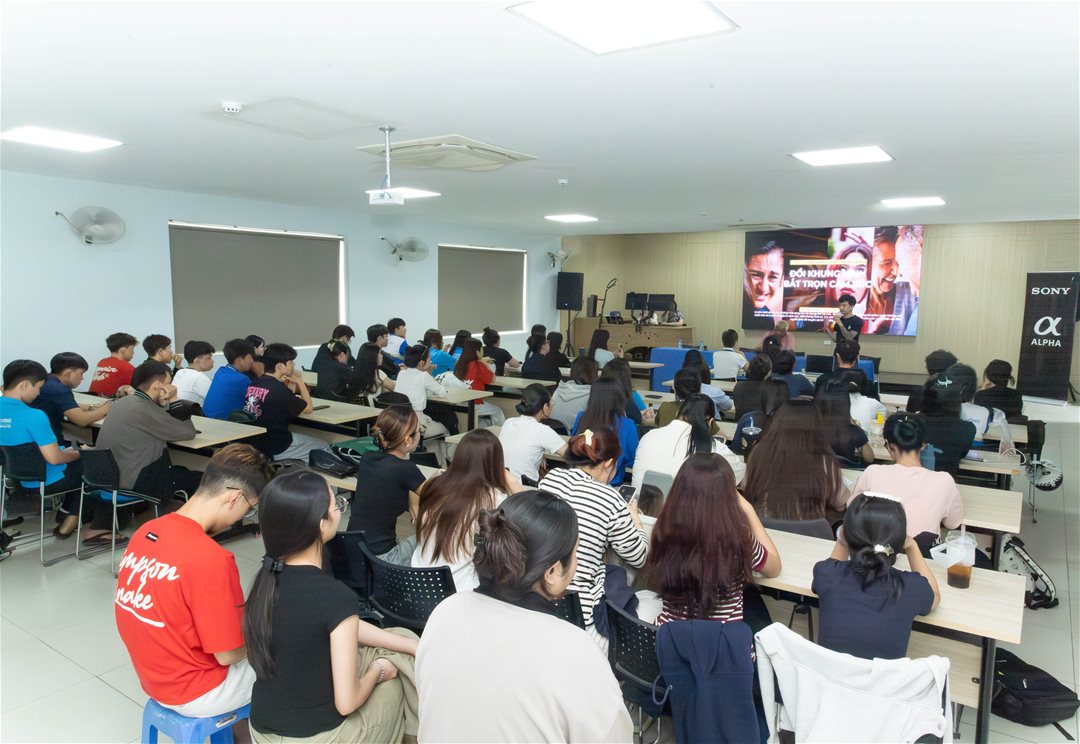
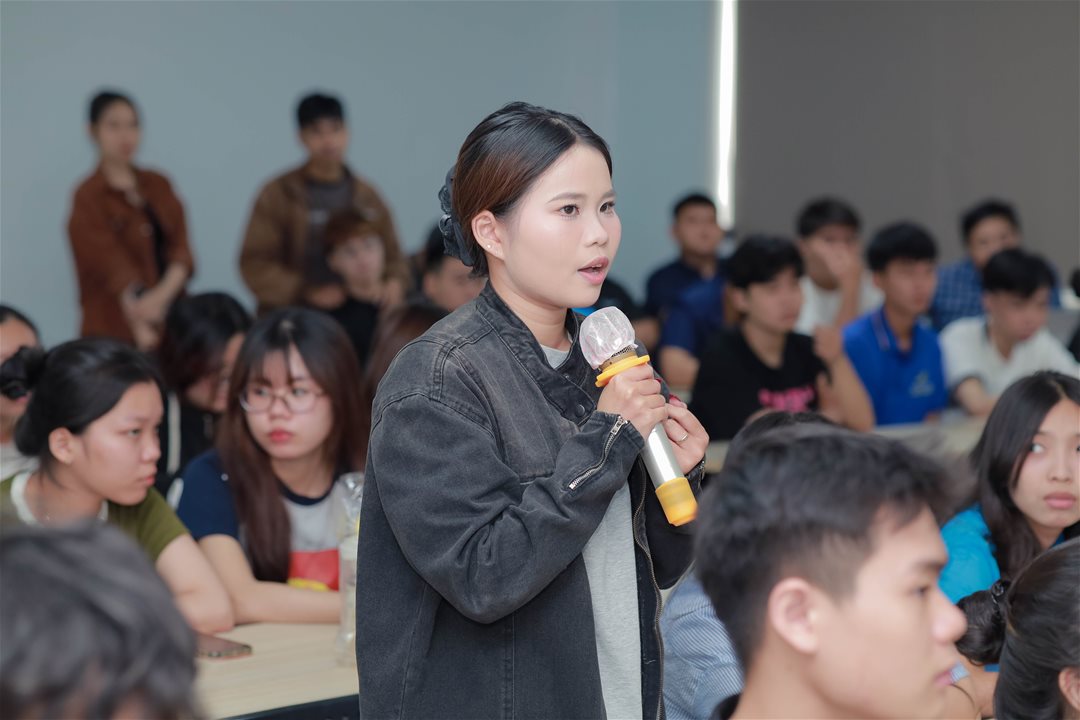
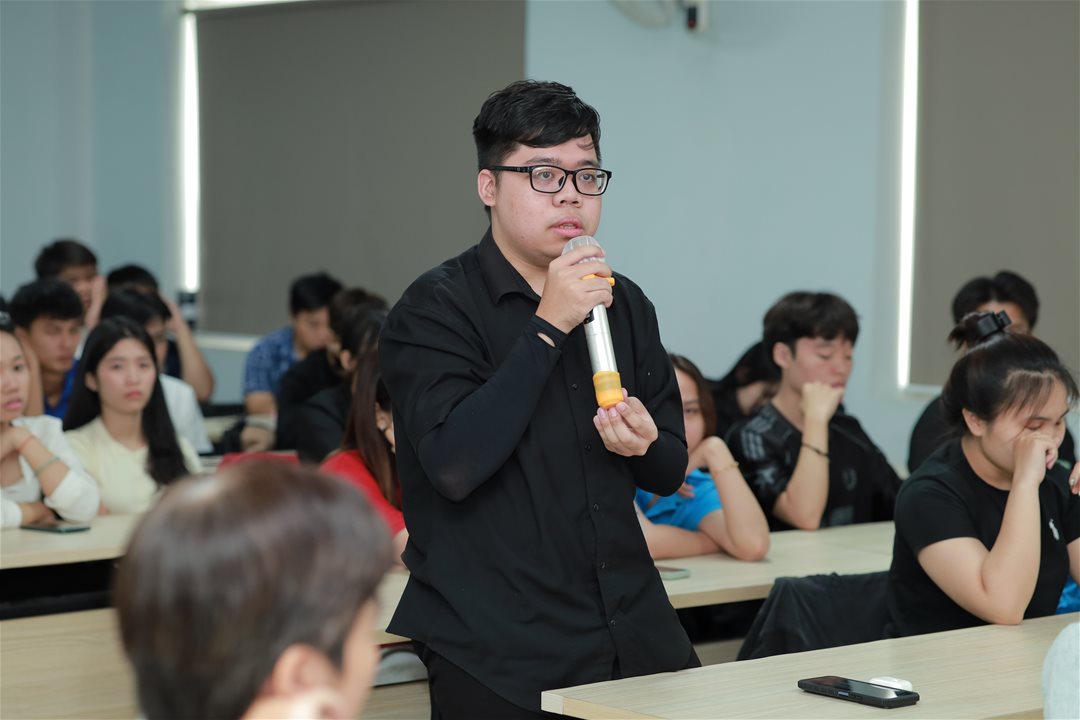
Throughout the workshop, students actively engaged the guest speakers during the Q&A session. Inquiries centered on idea generation, story development pipelines, production workflows, and real-world industry demands.
By engaging directly with working professionals, students gained clarity on the critical transition from understanding basic production techniques to creating content that genuinely captivates audiences. Such industry-academic exchanges play an essential role in bridging the gap between classroom theory and professional practice.

From the LHU Lecture Hall to the Industry Arena
The high turnout across diverse academic disciplines reflects how creative media continues to transcend traditional departmental boundaries. A classroom story concept can evolve into a full-scale media campaign; technical editing skills can develop into a professional career; and a project crafted on campus can reach hundreds of thousands—or even millions—of digital viewers.
Through the Sony Short Drama Contest 2026, Lac Hong University students have a practical platform to test their abilities, engage with industry standards, and translate their academic learning into tangible creative works. The next standout Short Drama series may well begin with an idea conceived right here in the lecture halls of LHU.